Your Guide to Female-to-Male Transition

Your Healing Journey, Supported at Every Step.

tcgabanner5
affirmingbanner

Affirming Who You Are With Support You Can Trust

Transitioning is a deeply personal journey of aligning your outward expression with your inner identity—one that supports your mental, emotional, and physical well-being. This guide is here to walk alongside you, offering clarity, compassion, and practical support at every step.

What Will Your Transition Journey Look Like?

Everyone has different transition goals. Some people pursue all available options, while others choose only one or none at all. Every path is valid. Choosing not to undergo certain procedures does not make your identity any less real or affirmed. Your transition is yours to define and should reflect what brings you comfort, confidence, and authenticity. Many men start with the following:

Social Transition

This may include changing your name, pronouns, clothing, hairstyle, or how you move through the world. For many, it also means updating legal documents to reflect their affirmed identity.

Hormonal Transition

Testosterone therapy can deepen your voice, increase muscle mass, redistribute body fat, and support facial/body hair growth. Effects begin within months, but full changes can take years. Regular monitoring by a healthcare provider is crucial.

Emotional and Mental Health Support

Having a trusted therapist or support group can help navigate identity questions, family conversations, and the emotional highs and lows of transition. You're not meant to do this alone.

Pathways to Affirmation

TCGAICON - FtM Body Contouring-3
Body Contouring and Liposculpture
male bottom surgery icon
Bottom Surgery
Icon - Facial Masculinization
Facial Masculinization
Icon - Hairline Lowering
Hairline Lowering and Restoration
TCGAICON- non-surgical procedures-4 copy
Non-Surgical Procedures
ICON - Top Surgery
Top Surgery
Icon - Tracheal Shave.svg-6 copy
Tracheal Shave

Real people. Real results.

Learn More About 
Life After Transformation.

Preparing for the Path Ahead

Before undergoing any surgery, it’s essential to:

  • Complete mental health evaluations (some procedures require referral letters)
  • Consult with experienced surgeons and healthcare providers
  • Review insurance coverage and understand costs
  • Create a support plan for recovery and aftercare

Find a Team That Sees You How You See Yourself

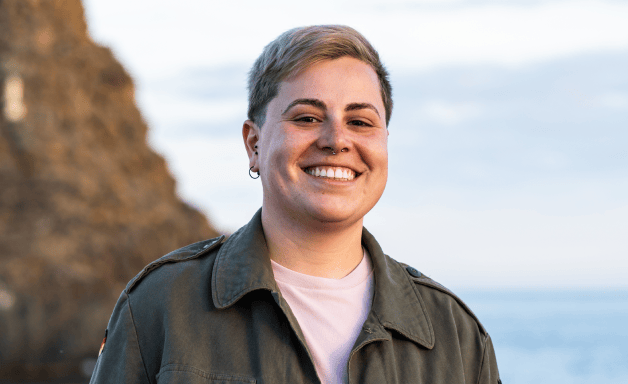
Choosing the right provider matters. At our Center, you’ll be cared for by a trusted team of surgeons and experienced specialists who are experts in gender-affirming care and advocates for your well-being. Every member of our team is committed to providing safe, affirming, and personalized support that reflects who you are and what you need.

What to Know Before You Begin

Travel and Accommodations 
We welcome patients from all over. Our care coordinators can help arrange lodging and travel support for out-of-town patients.

Insurance and Financial Planning
We offer transparent pricing, bundled packages, and support navigating insurance coverage.

Additional Resources
Looking for more information? Visit our Patient Resource Center for frequently asked questions, recovery guides, and more.


Additional Resources

  • The Trevor Project (24/7 support)
  • Trans Lifeline (peer emotional support)
  • LGBTQ+ Health Centers (Planned Parenthood, local clinics)
  • Financial aid and surgery grants (Point of Pride, Jim Collins Foundation)

Contact Us Today

TCGA - Hairline Lowering & Restoration (FtM) - Ready to take the next step

Ready to Take
the Next Step?

Frequently Asked Questions

How do I start testosterone therapy for Female-to-Male (FTM) transition?

Testosterone therapy begins with a consultation from a qualified provider, often requiring a mental health evaluation or letter of readiness, depending on location and provider.

Do I need a therapist's letter for FTM surgery?

Some procedures, especially bottom surgery, may require a letter from a licensed mental health professional affirming that the surgery aligns with your gender identity and mental health readiness.

What emotional changes can I expect during my transition?

Many trans men report increased confidence and reduced dysphoria, though some experience mood swings or emotional shifts, especially early in hormone therapy.

Where can I find gender-affirming surgeons near me?

Our practice provides consultations and referrals to help you find qualified surgeons who align with your goals and needs. Our practice’s policy is not to treat anyone under the age of 19. Call us to schedule your consultation on or after your 19th birthday.